- Works to Eat:
- O mundo
- Enramades
- Ñam Ñam
- Isar-Loisach Melting Soup
- Eat and Be Eaten
Enramades
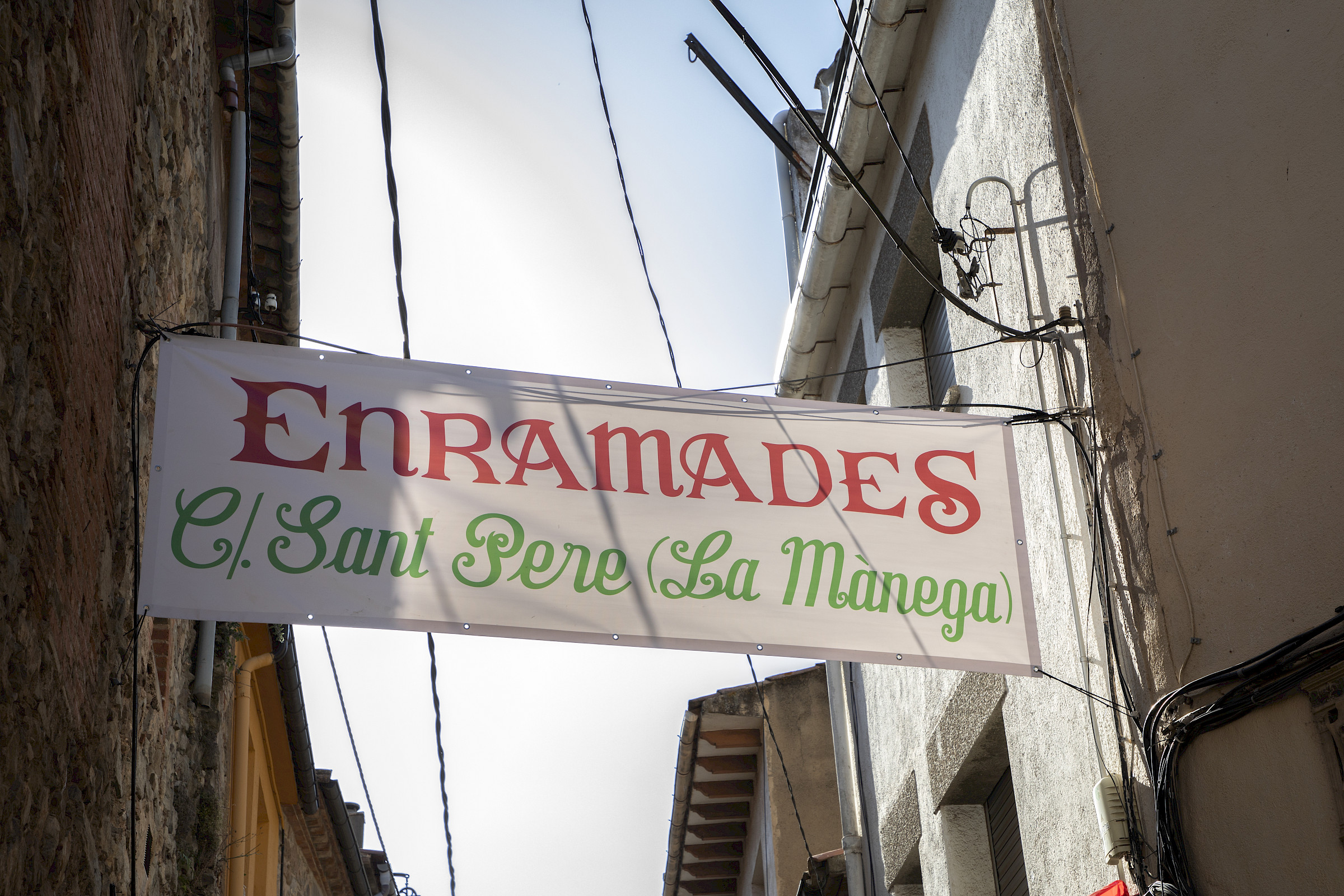
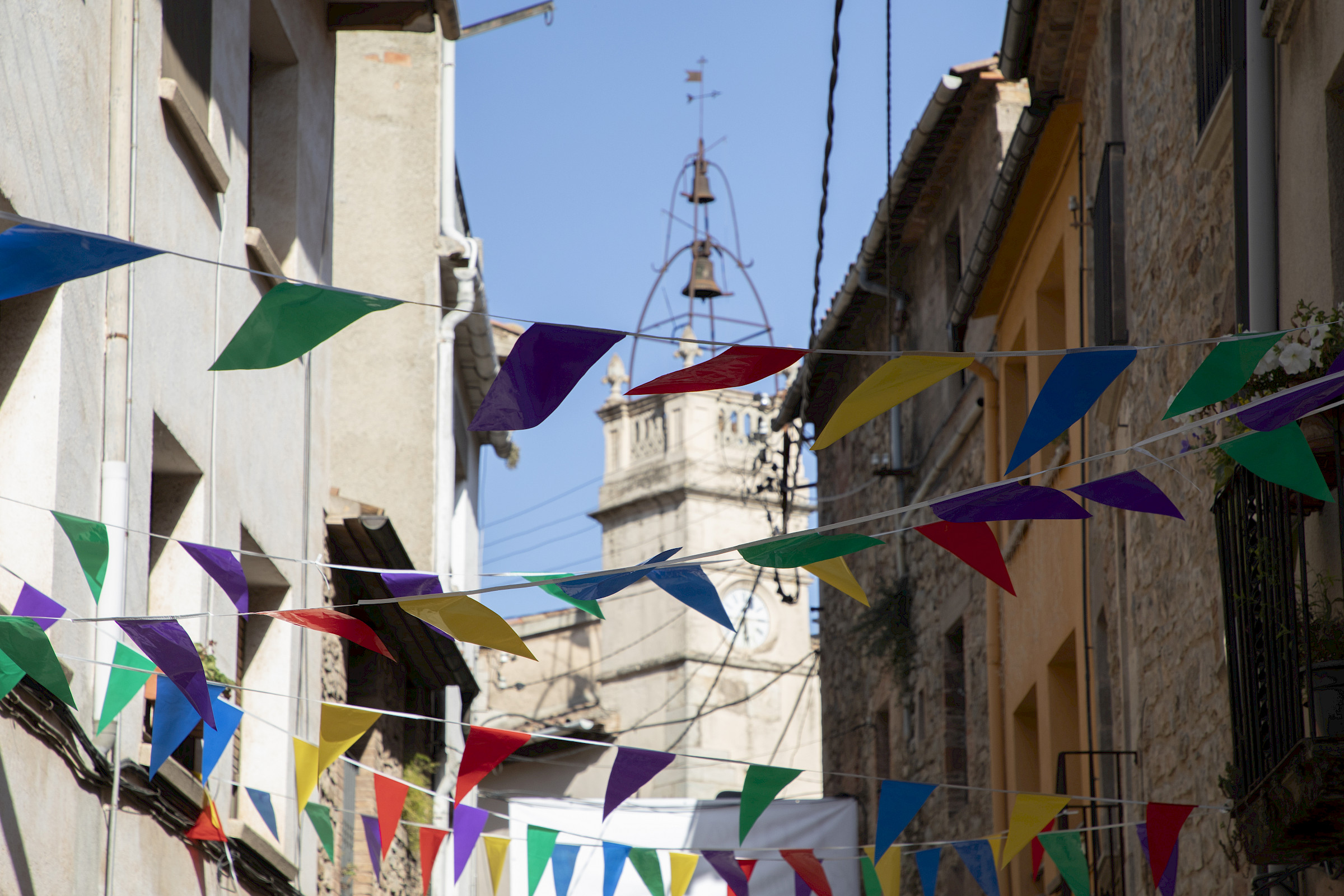
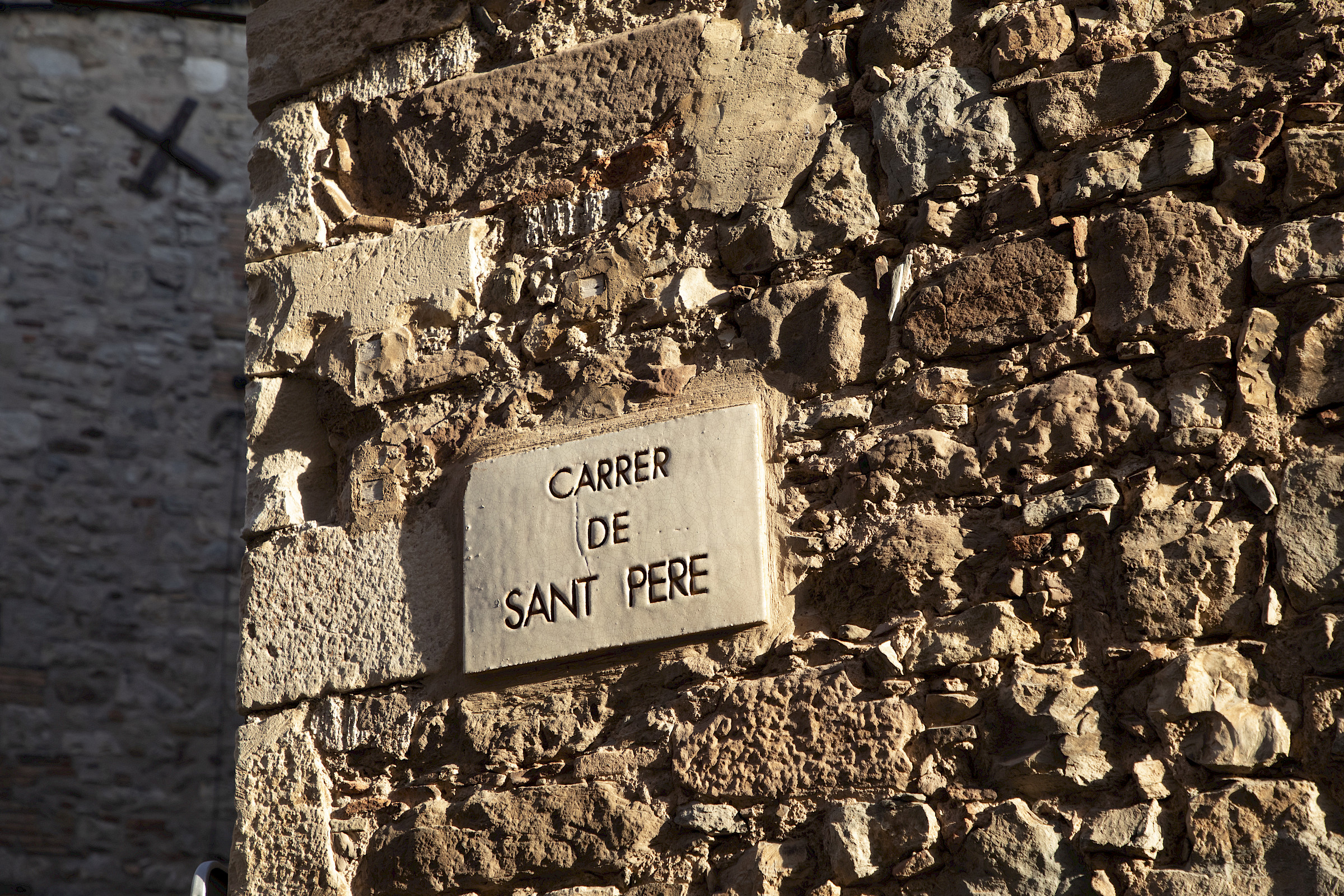
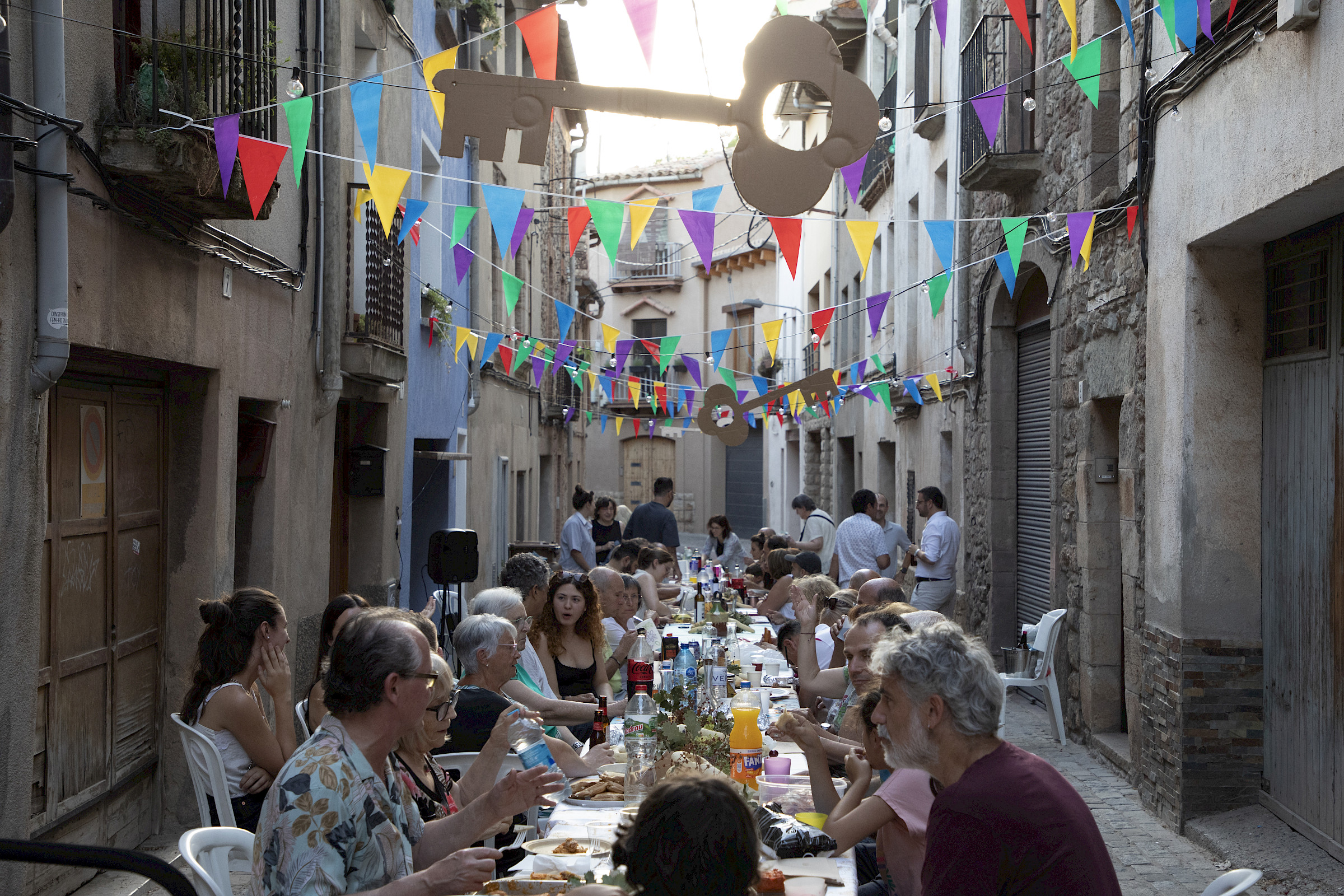
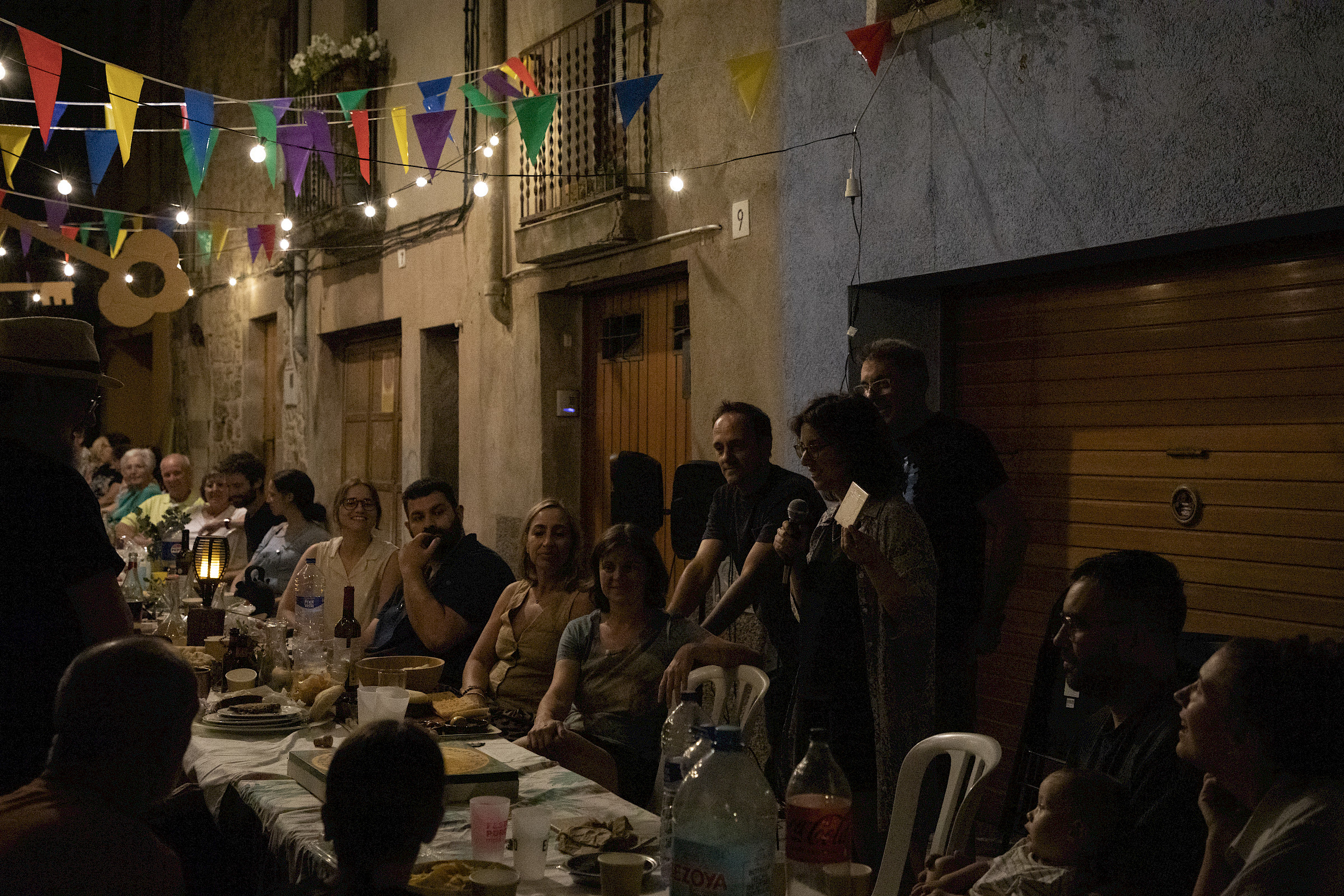
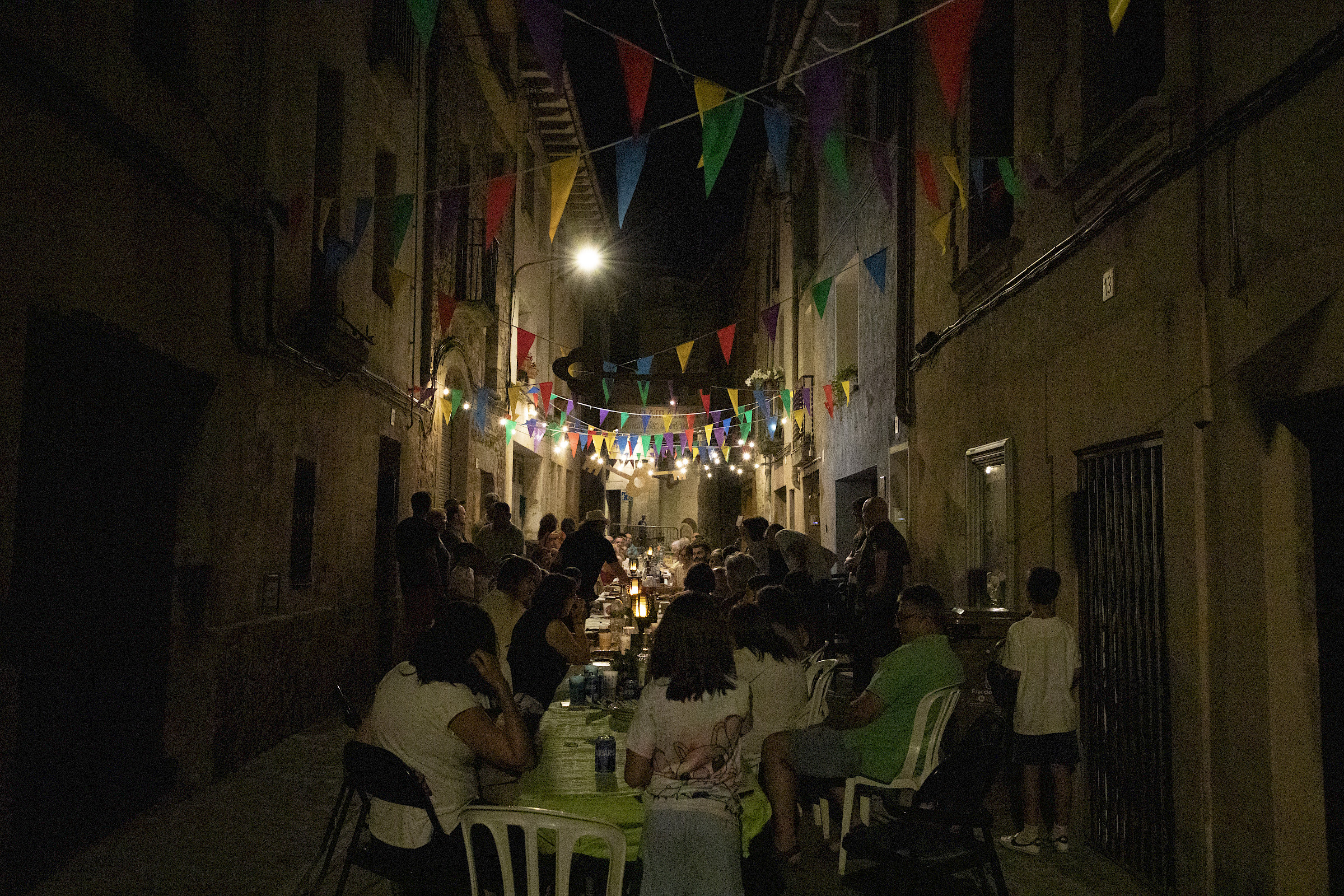
Enramades reactivates the memory of the former Enramades of Sant Pere Street in Moià (Spain), a communal street dinner that disappeared more than twenty years ago. Rather than reconstructing the celebration as it once existed, the work takes its legacy as a starting point to activate a new collective tradition connected to the present.
The project consists of the creation of the symbolic, ritual, and material elements that shape this communal dinner. Conceived to be cared for and carried forward by the neighbours, these elements become vessels of continuity, allowing the celebration to transform and evolve over time. Tradition is approached here not as a fixed inheritance from the past, but as a living process shaped through repetition, participation, and transmission.
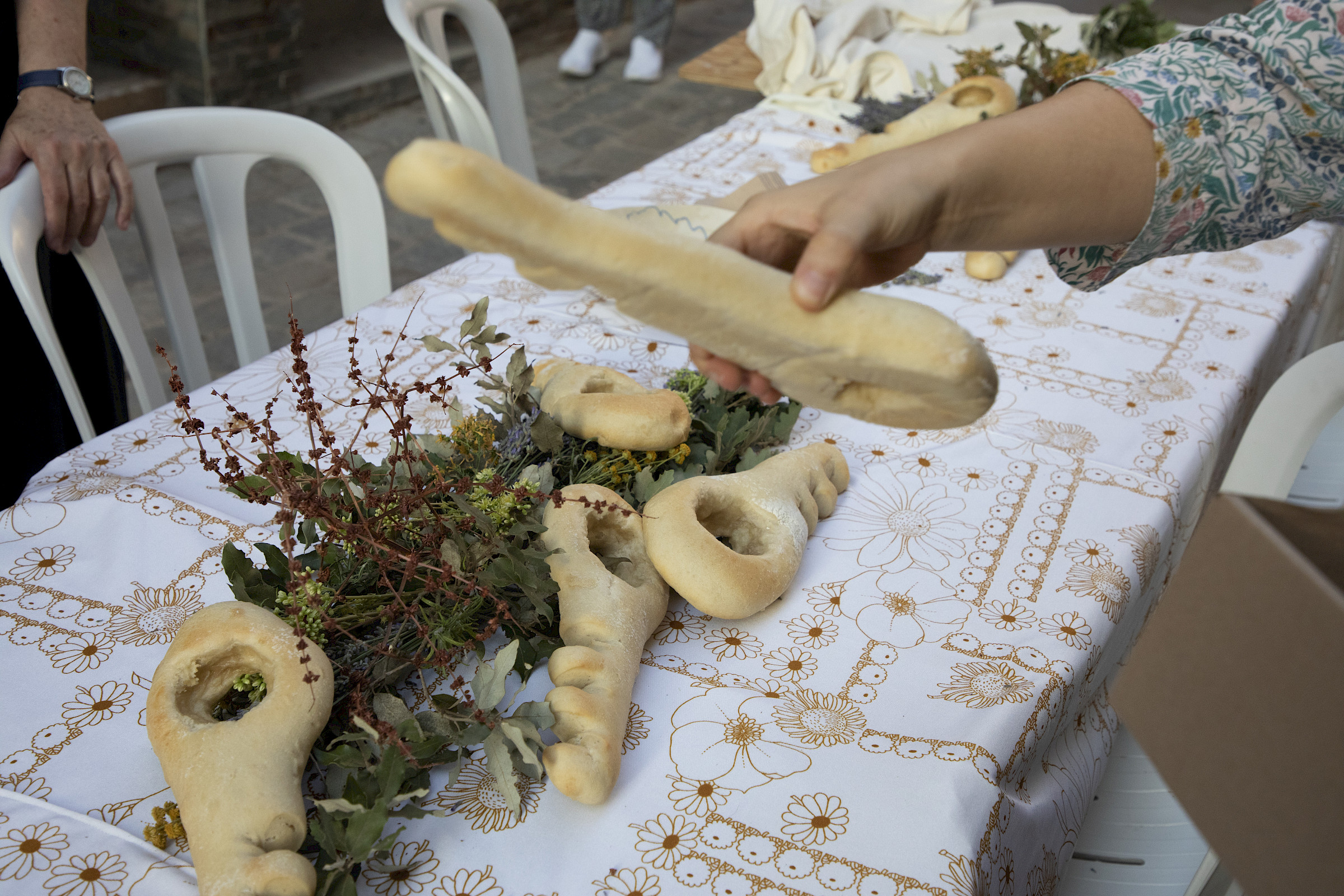
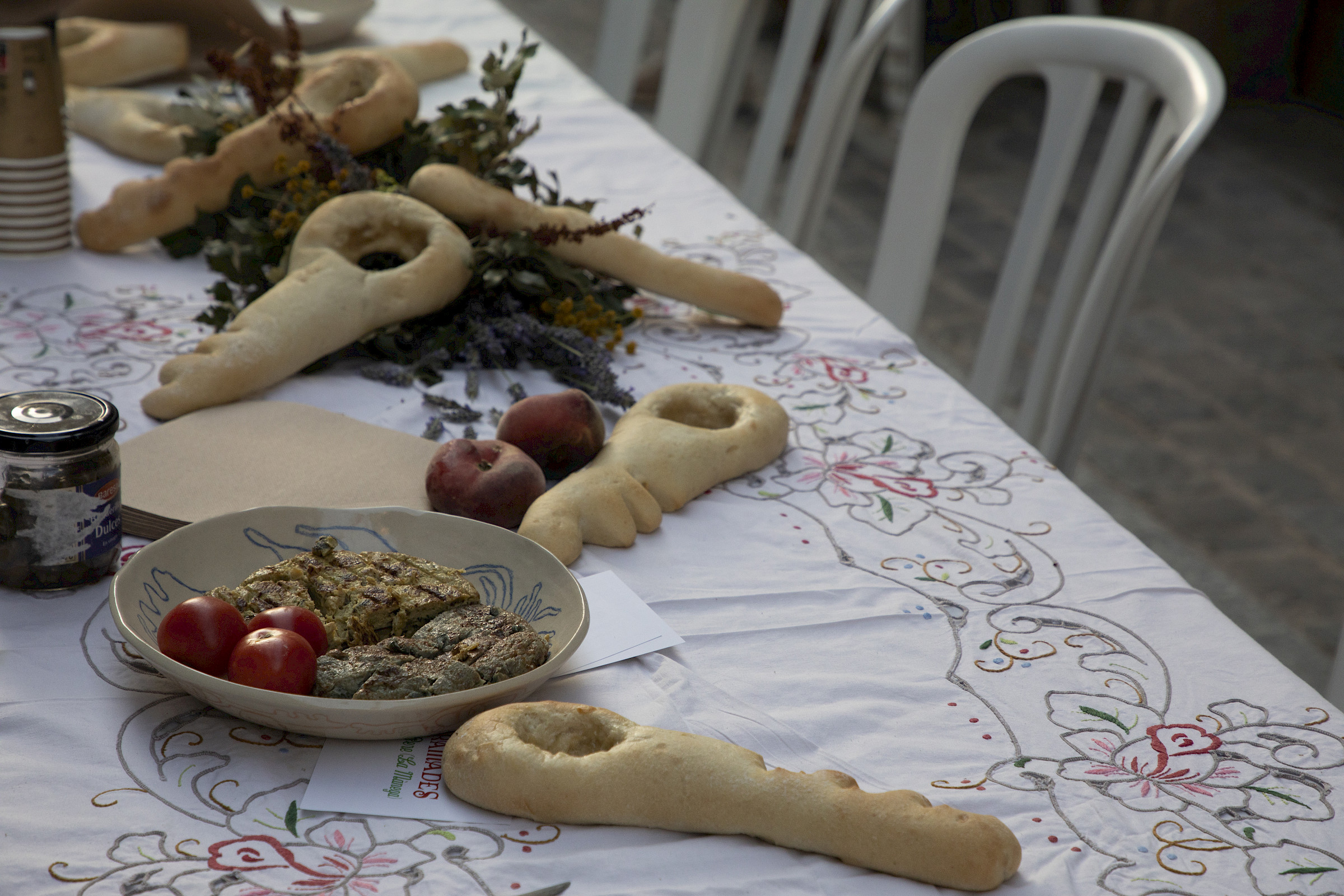
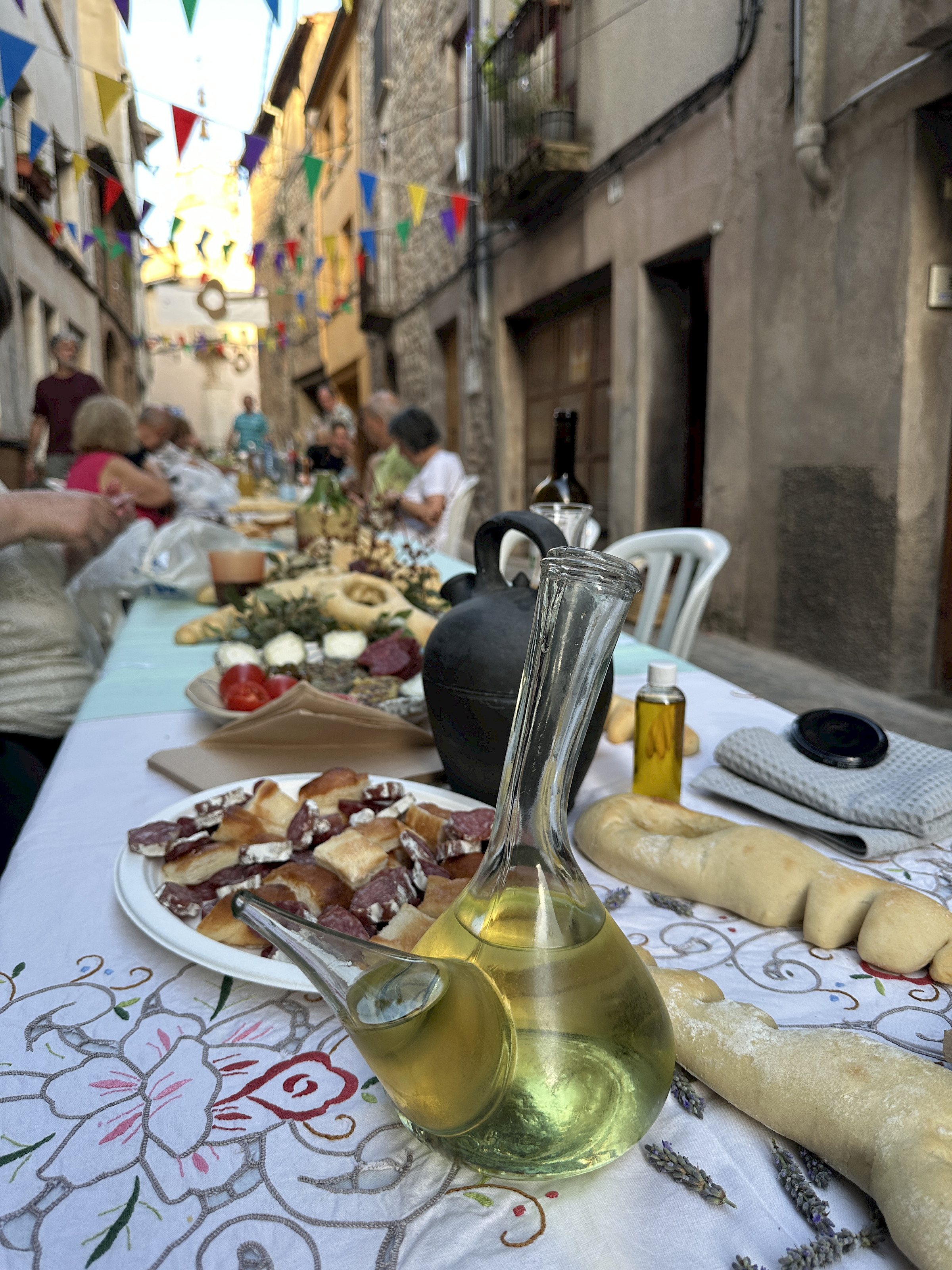
At the centre of the work is bread, historically the main food of popular diets and today often relegated to a secondary role. In a context of social, economic, and ecological uncertainty, bread returns as an essential and versatile element, capable of becoming the centre of the shared meal once again. The bread is shaped as a key, referring to Saint Peter, the patron figure of the street, and to the gesture of opening and giving access to a shared space.
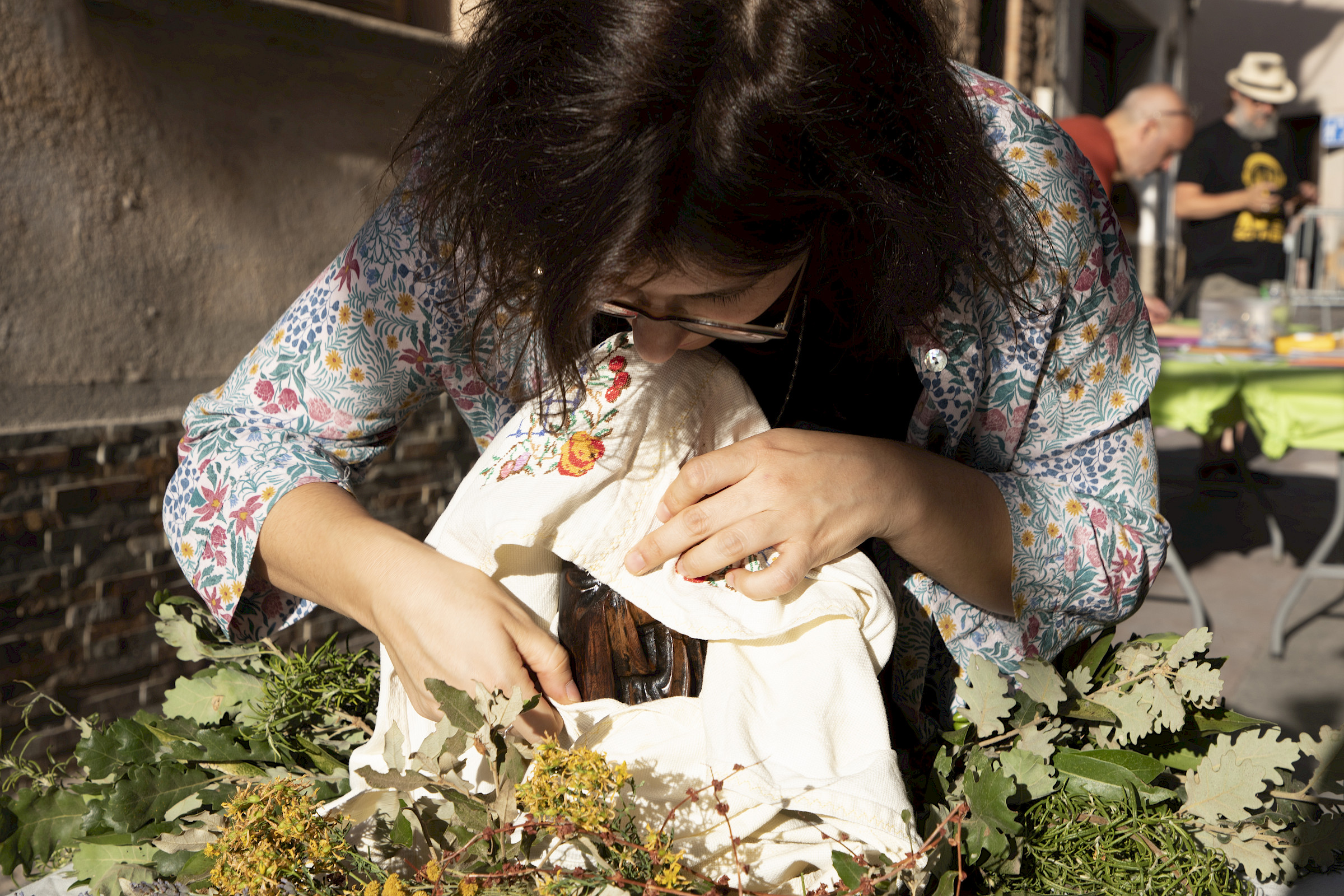
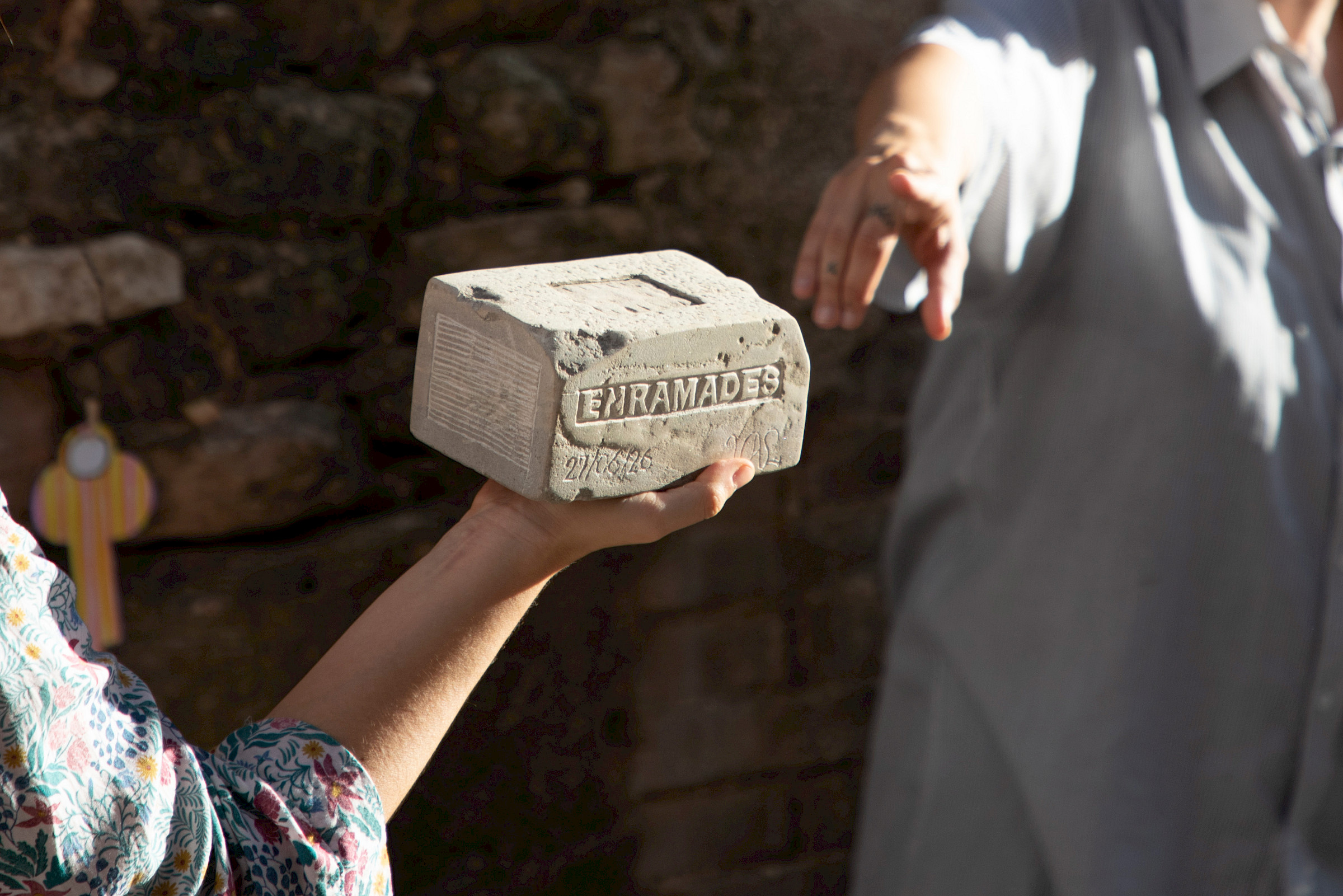
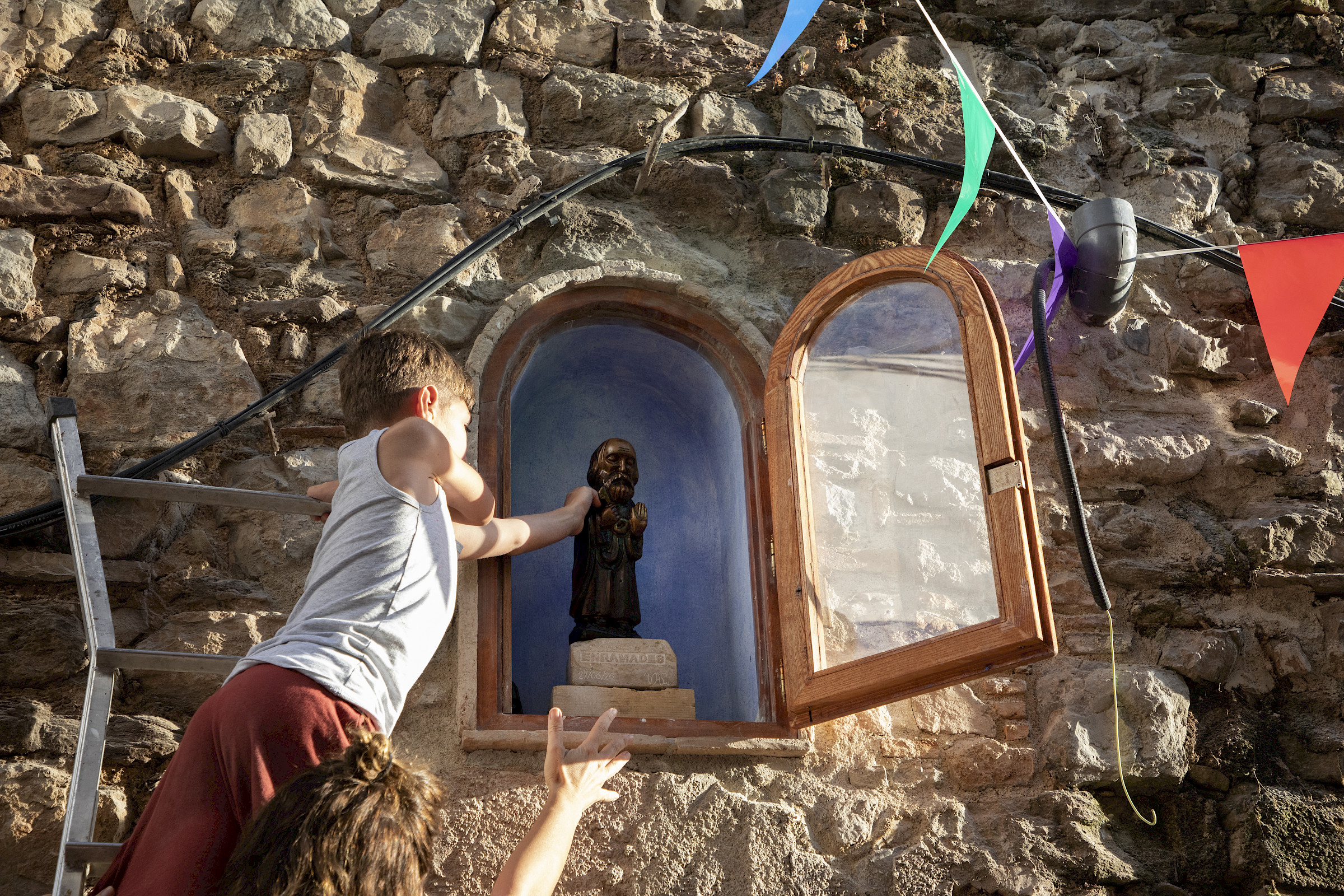
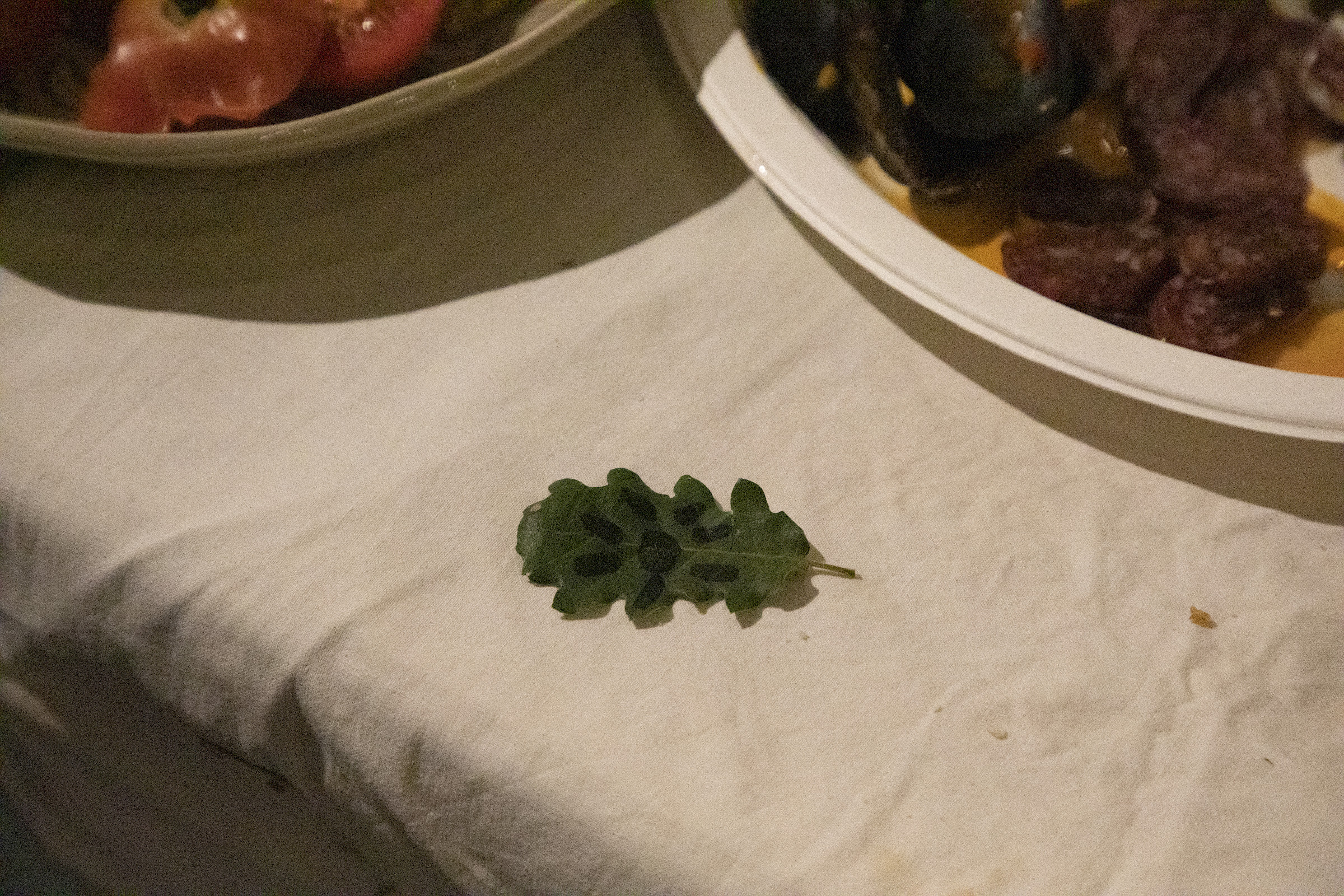
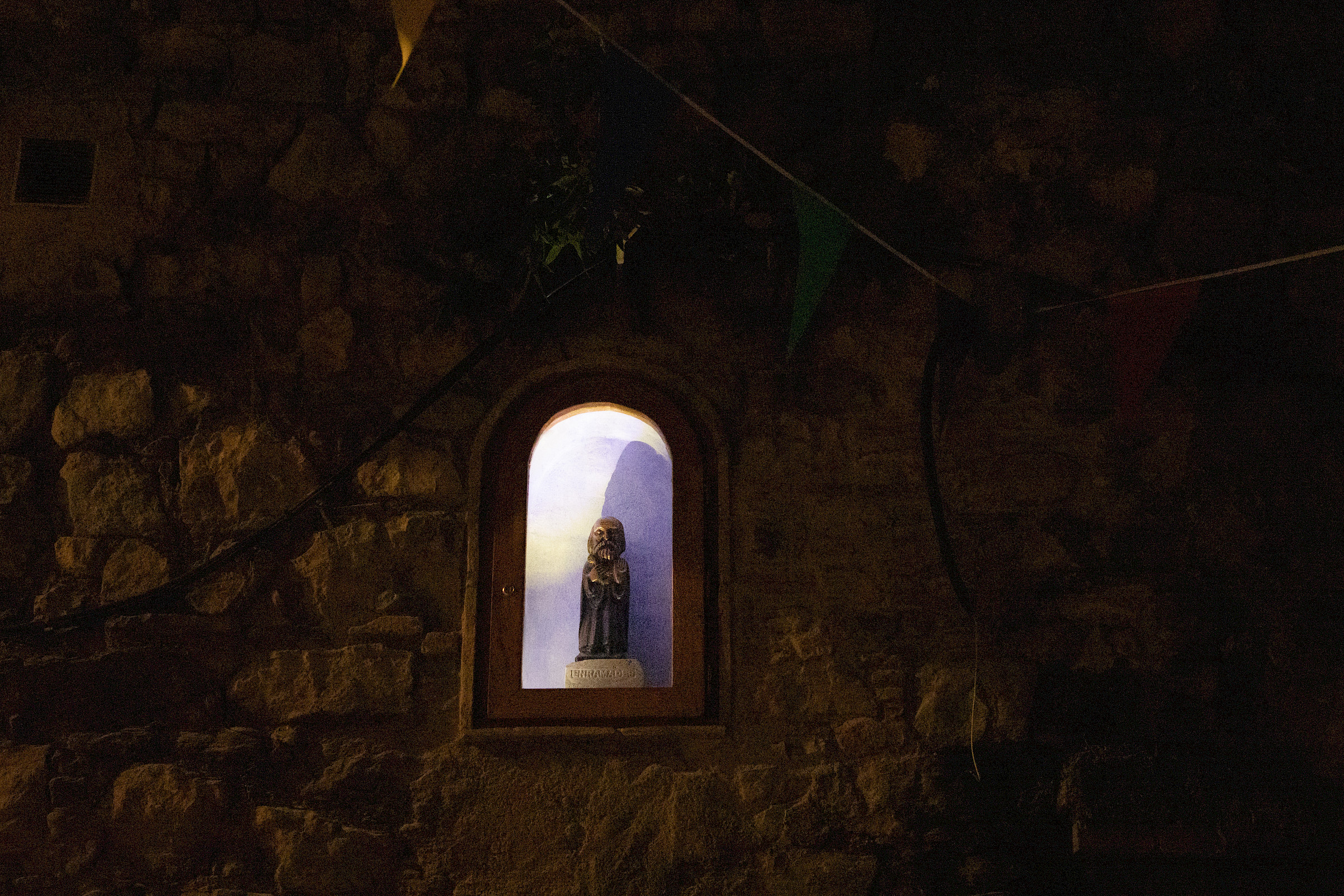
At the beginning of Sant Pere Street, inside a small niche at the former dairy shop, a sculpture of Saint Peter is awakened through a ritual of sung verses and the rhythmic tapping of the wall with small branches of oak and laurel. Connected to the landscape and cultural memory of Moià, these branches become an instrument of invocation, led by a child under twelve years old who lives on the street, introducing a gesture of generational transmission within the celebration.
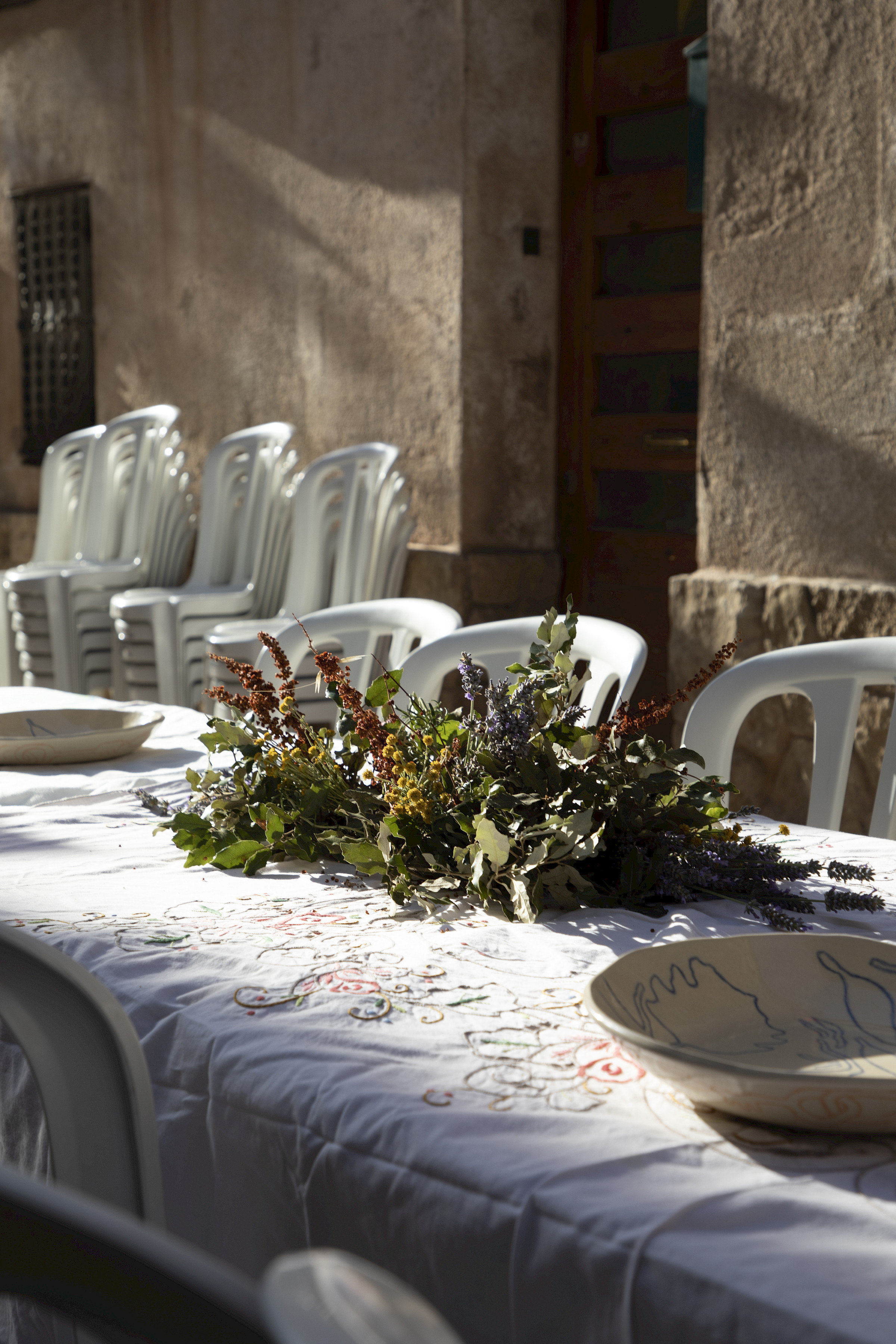
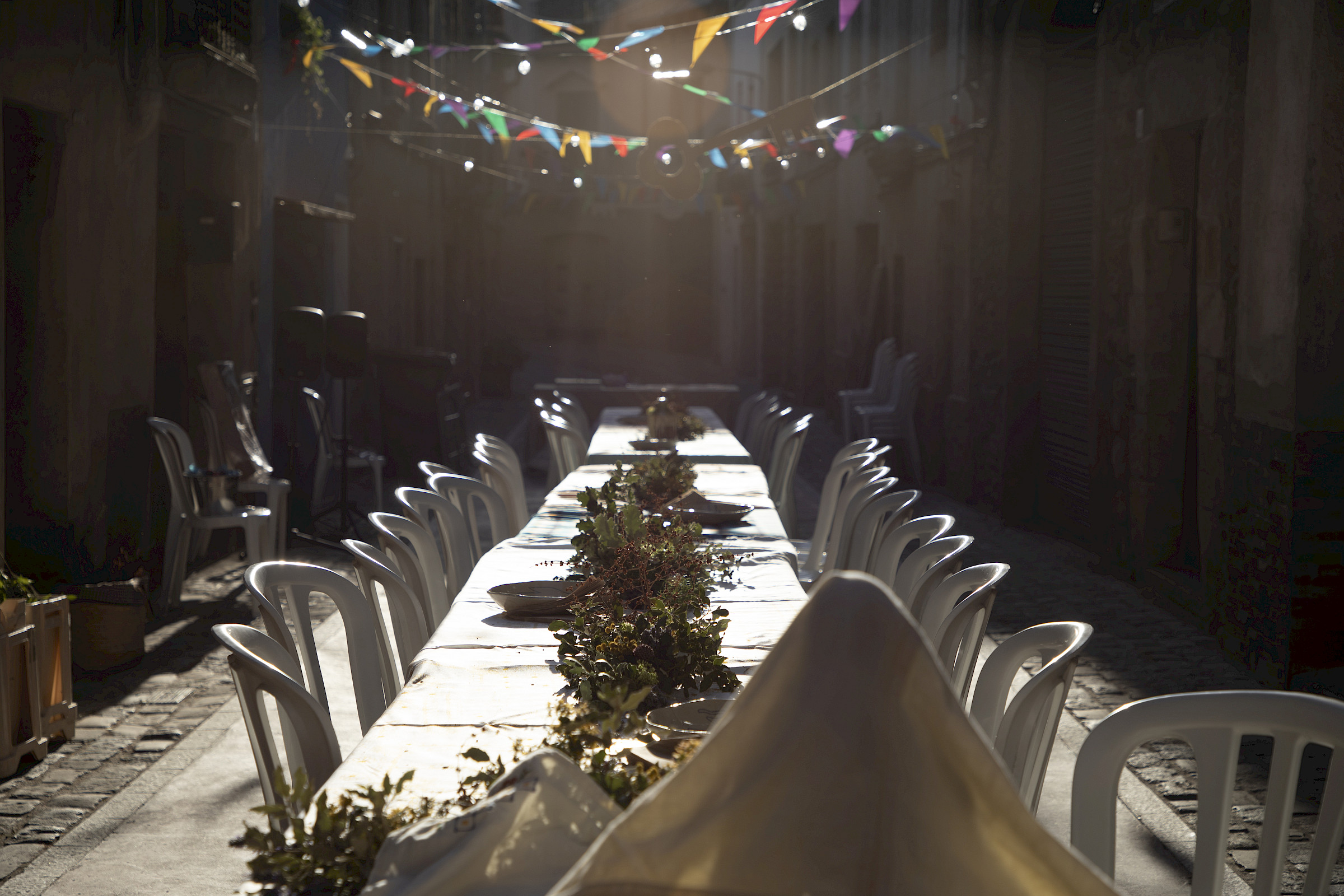
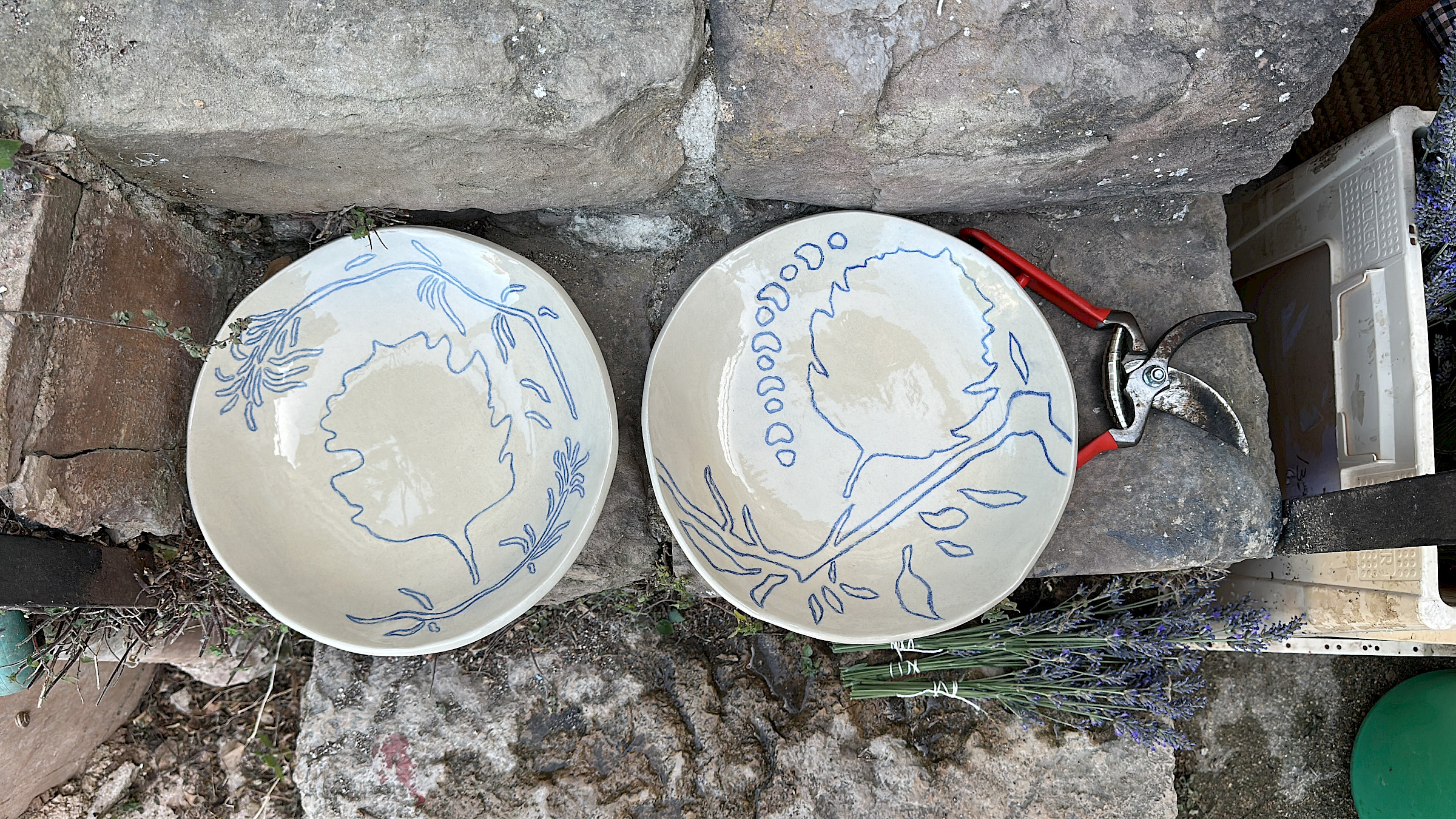
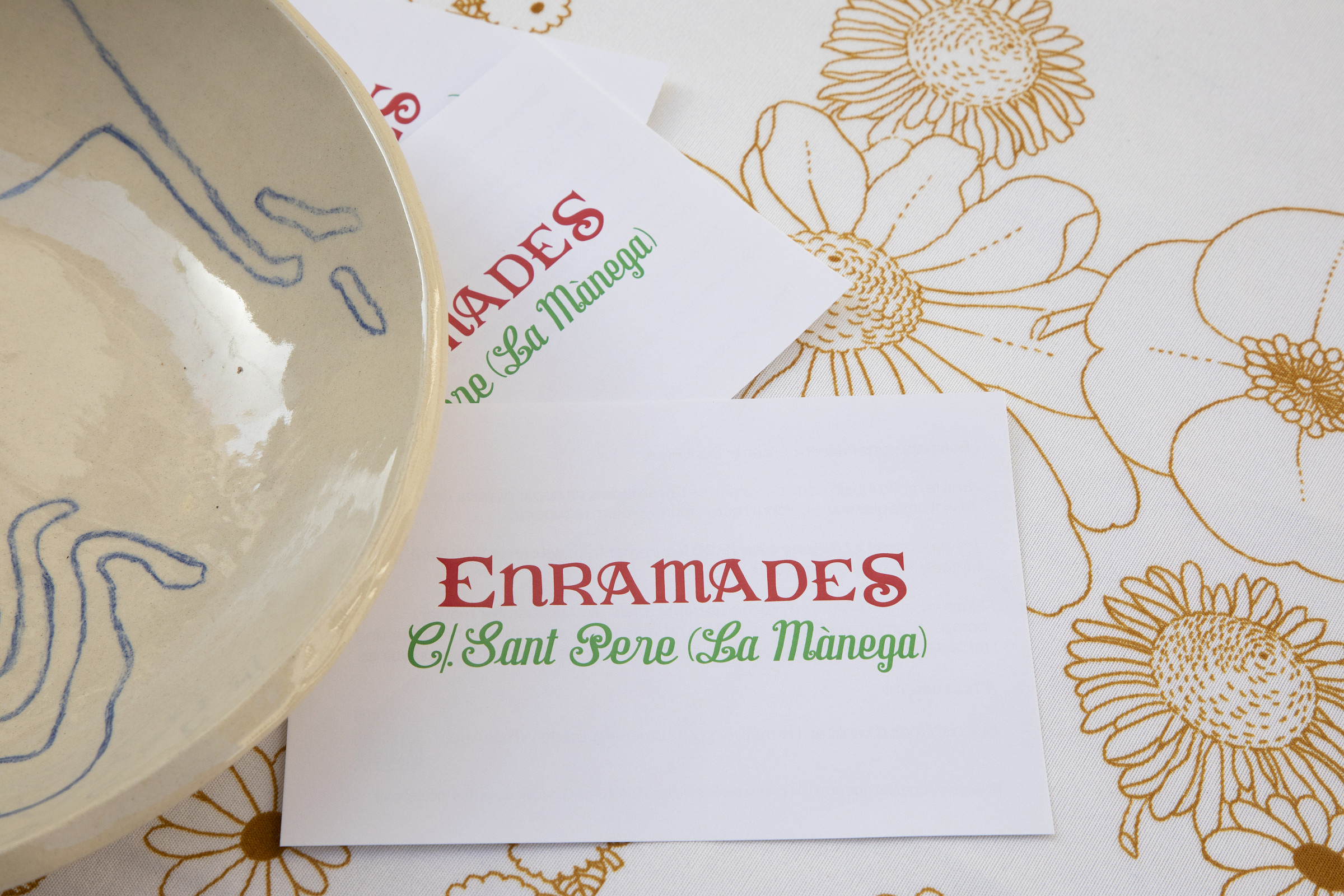
The installation includes eight ceramic plates engraved with motifs of enramades, flowers, and fruits from the region. During the dinner, the plates hold the food that neighbours bring to share. Participants are invited to contribute with food to accompany the bread, as well as drinks brought in traditional càntirs or porrons. After the gathering, each plate remains with a neighbour, who becomes its custodian for the following year. At the next edition of the dinner, the plates return to the communal table, carrying the memory of previous encounters and reinforcing a continuous chain of inheritance and collective continuity.
The tables are covered with cloths made from old table linens belonging to local families, stitched together with new white fabrics. These surfaces bring together fragments of domestic memory, transforming individual histories into a shared space. The setting is completed with branches and vegetal elements from the surrounding landscape.
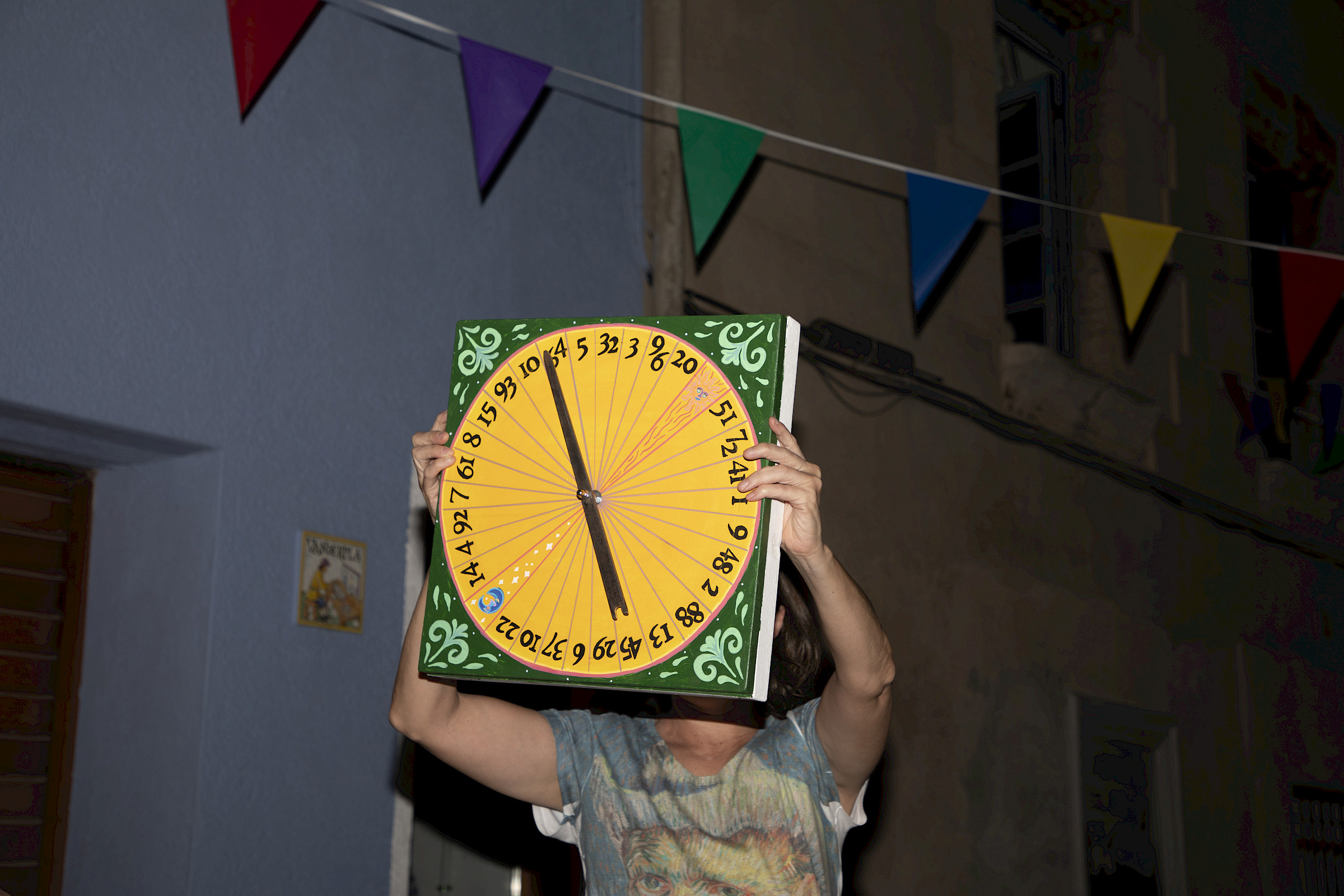
The work also includes the revival of la virolla, an old popular game once played in gatherings and local festivities to raffle objects. Through historical research and the creation of a contemporary replica, the game is reintroduced as part of the celebration. The virolla distributes ceramic tiles containing verses and wordplays related to community, landscape, and local culture, designed and produced by the artist.
Through food, objects, rituals, and shared gestures, Enramades explores how a tradition is carried forward: through the people who inhabit a place, the objects they preserve, and the practices they choose to repeat and transform over time.
This project has been developed within the framework of La Tradició at A Cobert, with the collaboration of La Pit Roig (ceramics), Gremi de Flaquers de Barcelona (bread production), Lidia Camprubi (garden and floral elements), Museu i Arxiu Històric de Moià (research on la virolla), and historian Ramon Tarter (research and development of a contemporary replica of the game).
Photo credits Daniel Cao
Street Dinner, 2026.
- Works to Eat:
- O mundo
- Enramades
- Ñam Ñam
- Isar-Loisach Melting Soup
- Eat and Be Eaten