Permeable boundaries
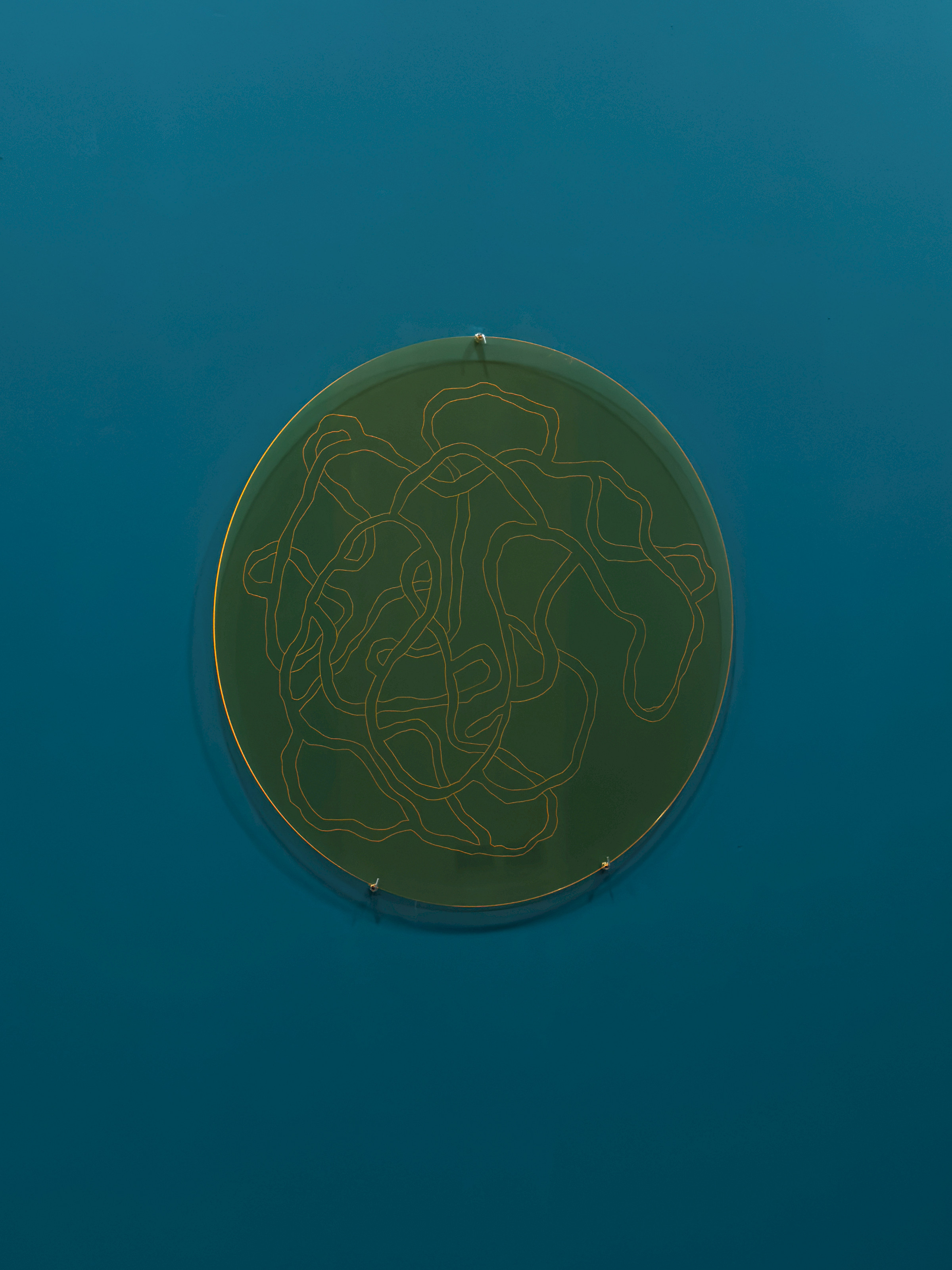
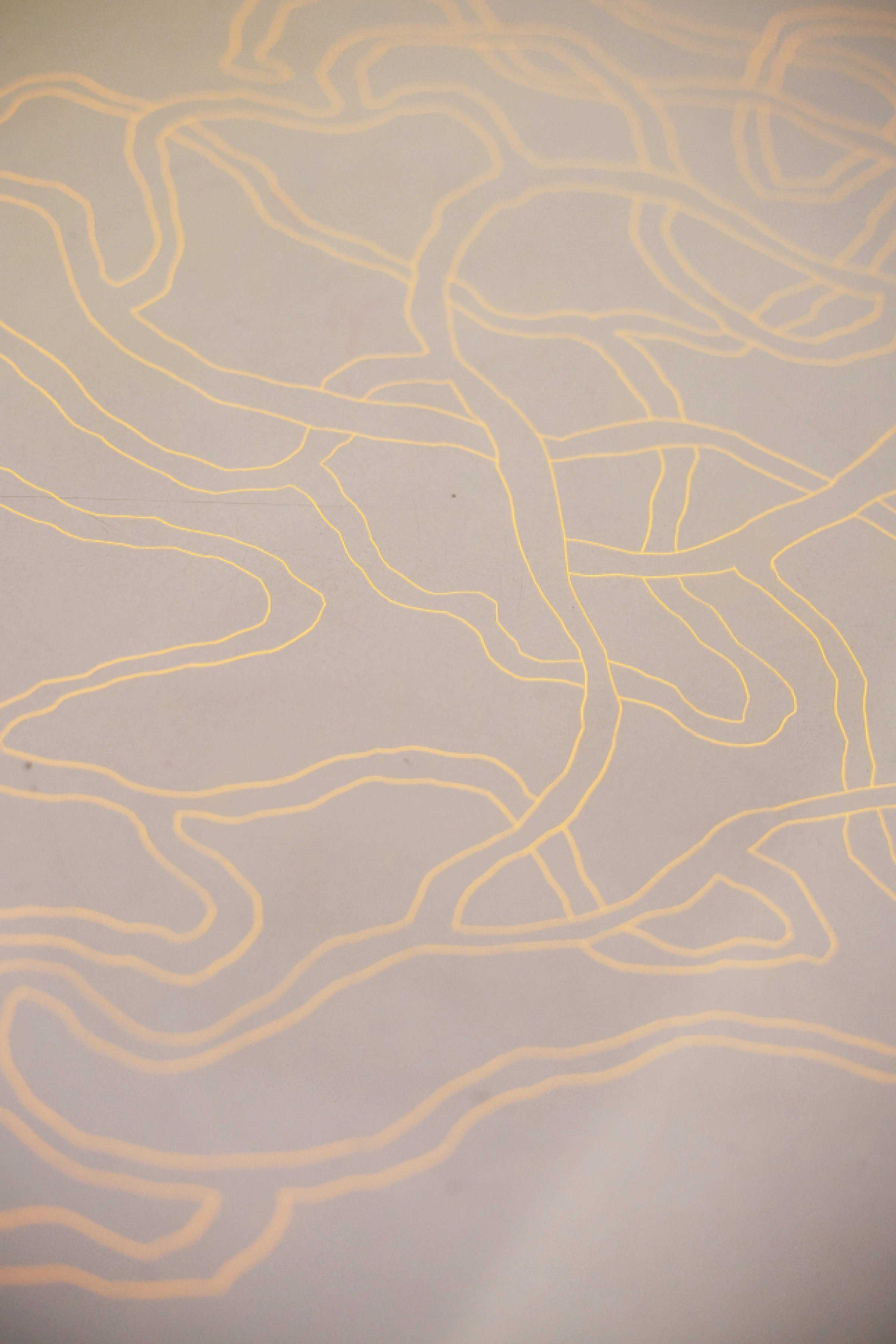
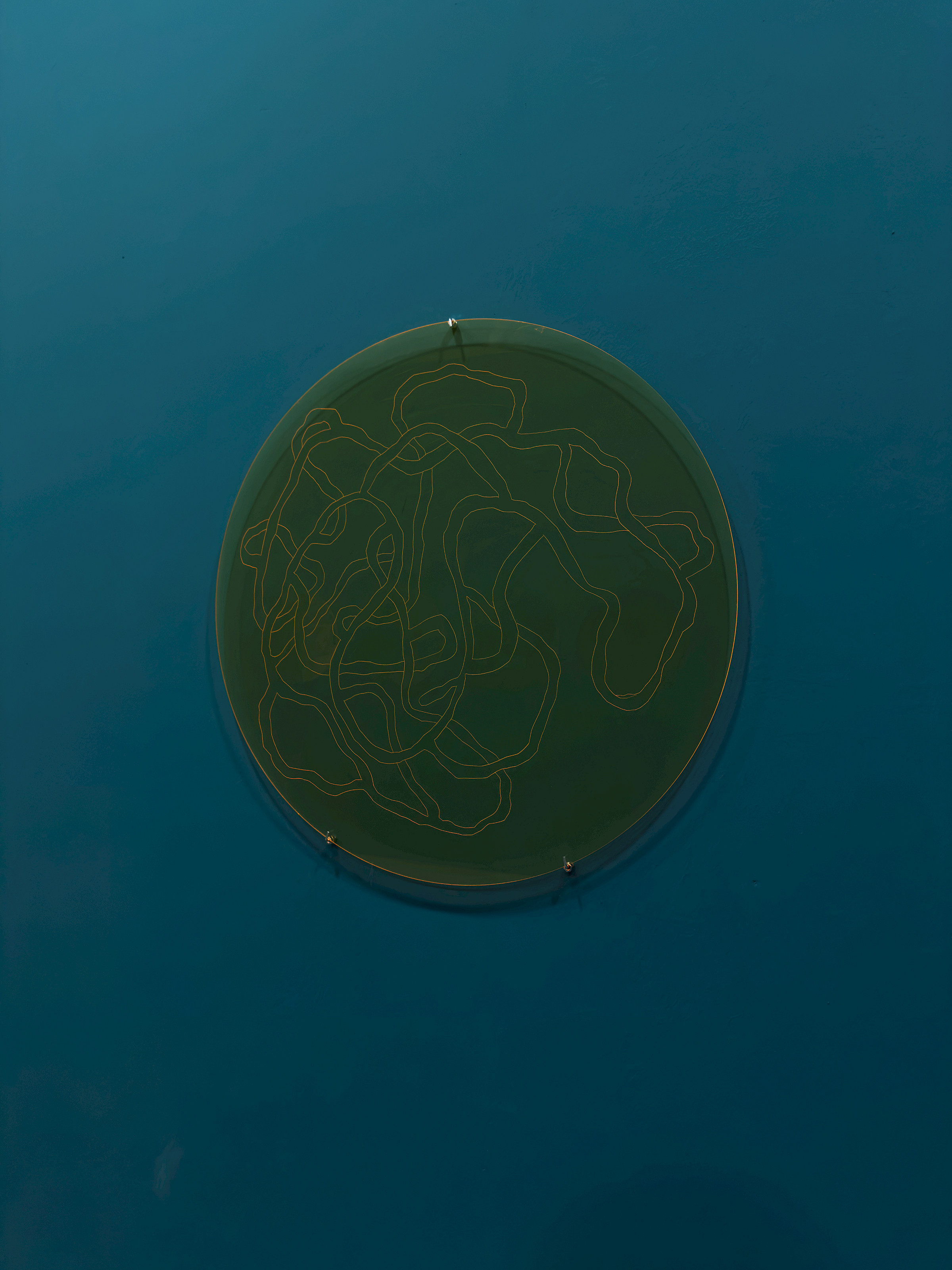
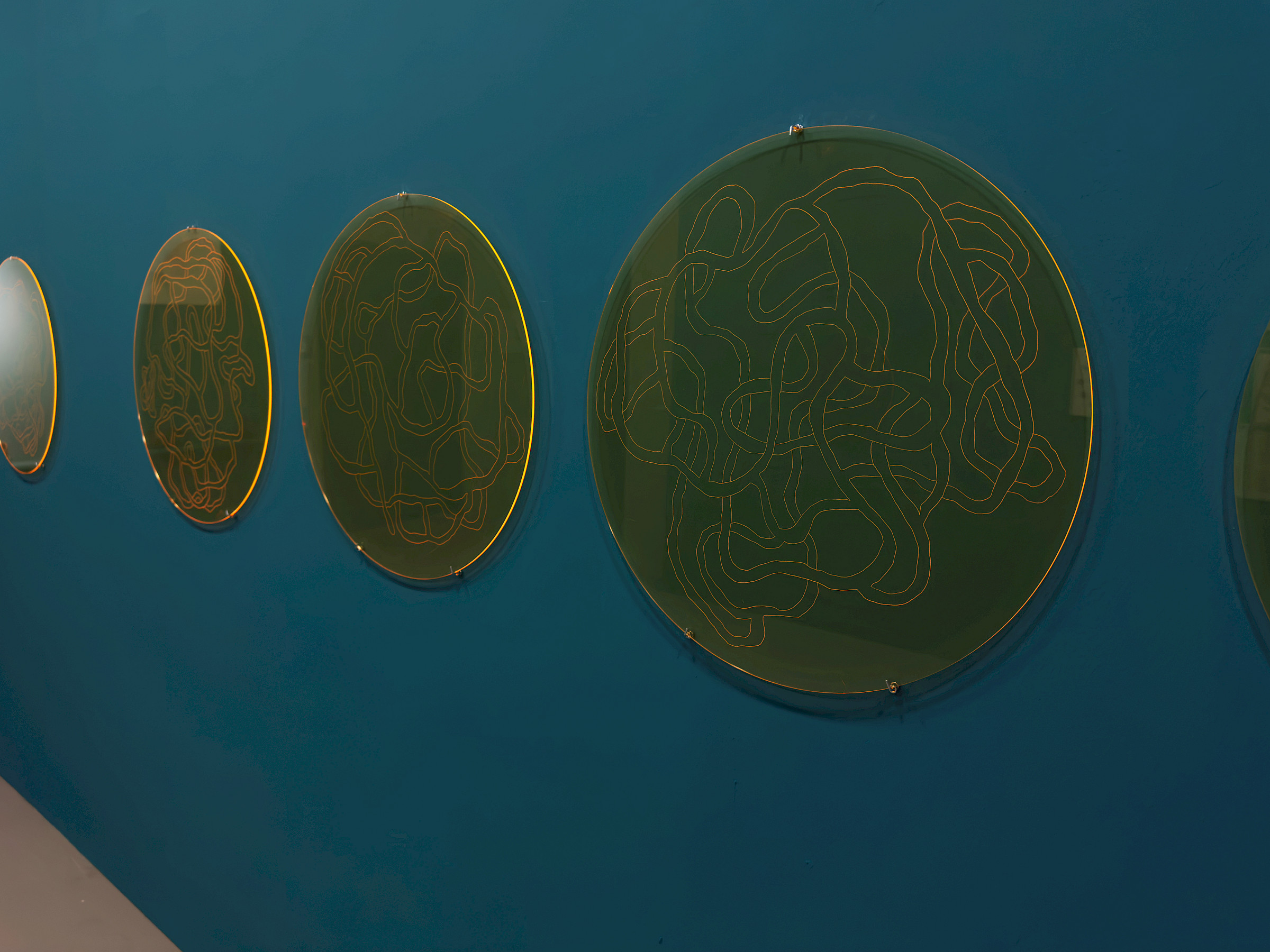
Permeable Boundaries takes inspiration from the human digestive system and the interactions between sediments and the organisms that inhabit them.
On the ocean floor, through the ingestion and excretion of particles, worms, mollusks, and microorganisms actively shape the sediment, altering its texture, composition, and stability.
This idea extends to the broader dynamics of natural ecosystems, where all life forms are interconnected through intricate food chains—no plant or animal exists in isolation. Parasites exemplify this interconnectedness, as they depend on a host for survival, often at its expense. One of the most striking examples is the fish tapeworm, which can grow up to 20 meters long, making it the largest parasite found in humans. It attaches itself to the intestinal wall using two suction cups and can remain undetected for decades. As its name suggests, the fish tapeworm is transmitted through fish, with infection occurring when raw or undercooked fish is consumed. Until the mid-20th century, it was present in many lake in Europe.
Drawing from these references, Permeable Boundaries explores eating as more than just nourishment—it is a process of integration and transformation, where the boundaries between body and environment dissolve, and organisms ultimately merge with the landscapes they inhabit.
Acrylic glass 60 x 60, 2025